Virtual lead generation: my fascination with data and sales

I've always been a salesperson. But the thing that made me a better one wasn't charm or persistence. It was data: knowing exactly who to call, and why, before I picked up the phone.
- Good selling starts long before the call, with research.
- A remote team of researchers and appointment setters let me spend my hours closing.
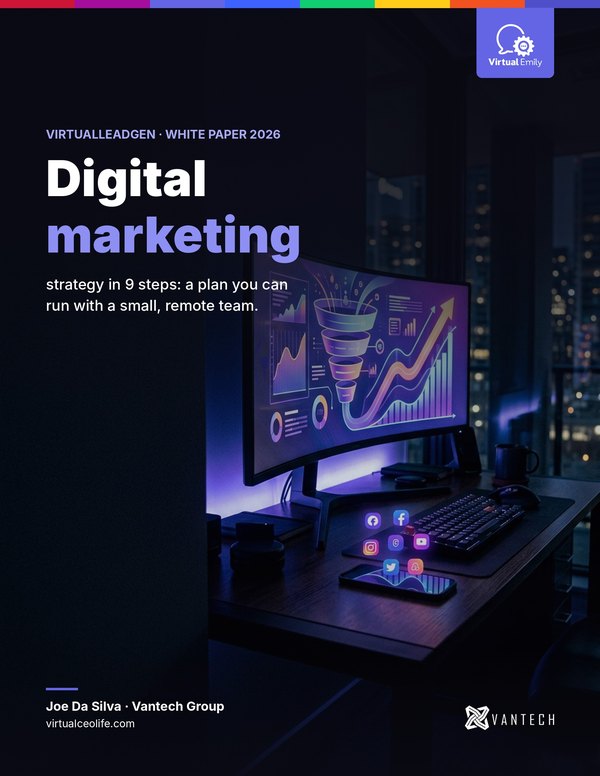
- That playbook became VirtualLeadGen: AI for volume, a human for the conversation.
Sales is a numbers game, with the right numbers
Early in my career I learned the old way: a thick database, a phone and hope. It's exhausting, and it mostly doesn't work. The problem wasn't the pitch. It was the list.
What changed my results was treating prospecting as research. Which companies fit? Who decides? What's their real contact data? When that work is done first, every call is a conversation with someone who might actually buy.
The team behind the pipeline
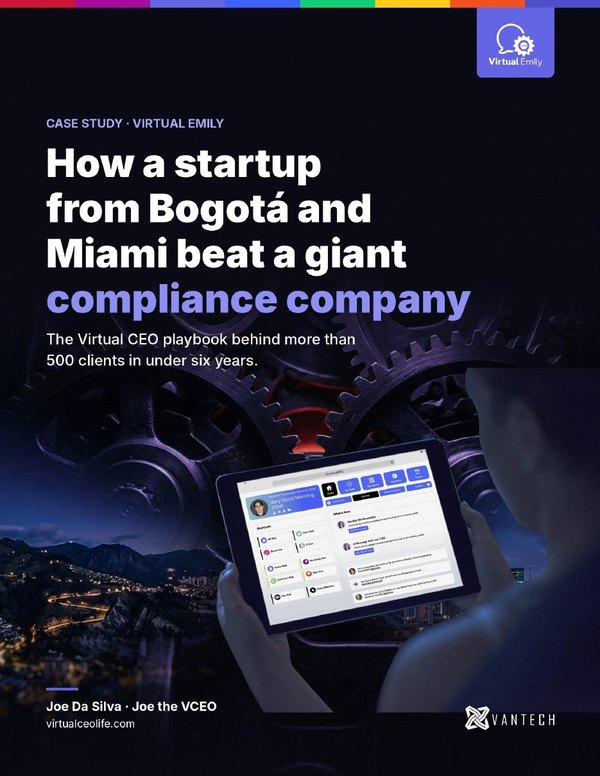
As a VP of Sales I ran an operation across four countries, Bogotá, Mexico City, Buenos Aires and São Paulo, with a team of about 30 people in sales, research and admin, managed remotely.
The engine was simple. Researchers, led by Oscar, my head researcher to this day, built and verified the databases for our niche. Appointment setters worked the lists, inbound and outbound. And I spent my hours on the conversations that closed.
That operation went from zero market share to leading its market, with more than 500 clients in under six years. Those are that company's numbers, not a promise. The lesson is what transfers: separate the research, the outreach and the close, and give each one an owner.
What data changed for me
- Focus: I stopped chasing everyone and started chasing fit.
- Rhythm: outreach ran every week, whether I'd had a good week or not.
- Learning: every stage had a number, so I knew what to fix, list, message or follow-up.
- Value: once I knew what a lead was worth, I knew how much to invest. Here's how to calculate it.
Where AI fits now
Today, AI does much of what my researchers used to do by hand: building lists, cleaning data, drafting first messages. That doesn't remove the people. It moves them to where they matter: qualifying, conversations and relationships.
That's VirtualLeadGen, module 01 of MyVirtualBPO. AI for the volume, a human for the close. The same playbook, faster.
The data fields that make a lead usable
A lead is only as good as its data. At minimum:
- Name, role and company, verified.
- Email and phone, validated before outreach.
- Company size and industry, so the message fits.
- Source and date, so you know where it came from and how fresh it is.
- Status, updated after every touch.
Where people and AI fit
AI is fast at finding and enriching data. People are better at judging fit, writing a message that sounds human and having the conversation. The best lead generation uses both: AI for the volume, a Sales Emily for the relationship.