
Sales Emily: Lead Generation (free 2026 white paper)
A step-by-step guide to building a lead generation process that books meetings instead of burning lists. It explains how AI research and a human Sales Emily work together, and how to prove the process with a sample file before you scale.
Download the free PDF ↓What's inside
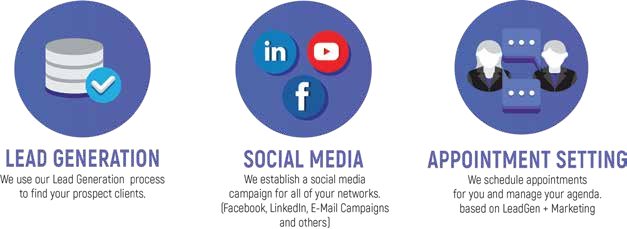
- What VirtualLeadGen is: lead generation research, social media and appointment setting
- Why lead generation beats bought databases and cold dialing
- How to define your market: industry, size, geography, department and decision-maker
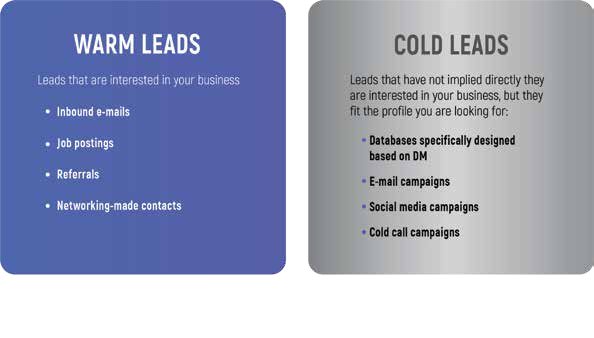
- How to define a lead: warm vs. cold leads and the data fields that make a lead usable
- How to create and test a sample file
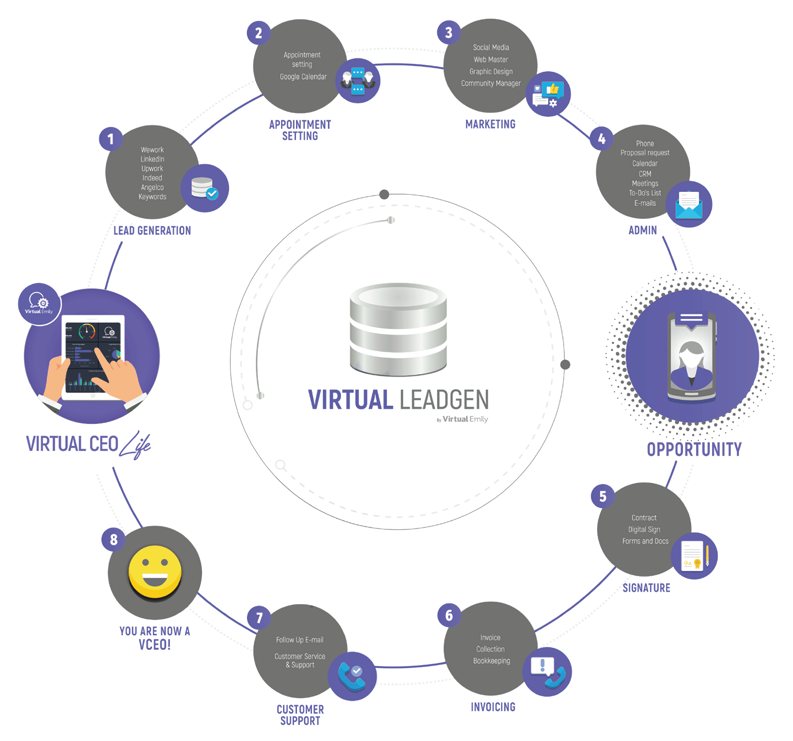
- The LeadGen + appointment setting sales cycle and the KPIs to track
- The four steps we follow, an FAQ and an ideal-customer-profile brief

Key takeaways
- Finding the right people to call is as important as the call itself.
- A lead needs fit, contact data and a reason to care; everything else is research.
- Test a sample file of 50 to 100 companies before you scale.
- Track appointments booked, conversion to sales, reply rate and lead value.
Questions owners ask
What is the difference between warm and cold leads?
Warm leads already show interest: inbound emails, referrals, past meetings, job postings that fit your service. Cold leads fit your profile but haven't raised their hand yet.
What is a sample file in lead generation?
A small, fully researched list of 50 to 100 target companies and decision-makers, worked for about two weeks to prove the profile and message before scaling.
Which KPIs matter in lead generation?
Appointments booked, conversion rate on sales, contacts researched and verified, reply rate, and cost per lead compared with lead value.
Do I need a CRM for lead generation?
Yes. The VirtualLeadGen module on MyVirtualBPO, HubSpot or GoHighLevel all work; your Sales Emily can run it for you.